Cozy Bedroom Ideas on a Budget
A bedroom that feels cozy and a bedroom that costs a lot to decorate are two different projects, even though most inspiration boards treat them as the same one. Warm lighting, layered textiles, and a room that feels settled rather than sparse come from a handful of choices, not from a full furniture replacement.
The ideas below are organized by what actually changes how a bedroom feels, starting with the cheapest and most immediate fixes and moving toward the ones worth saving for. None require a full redo, and most can happen over a single weekend.
Start With Light, Not Furniture
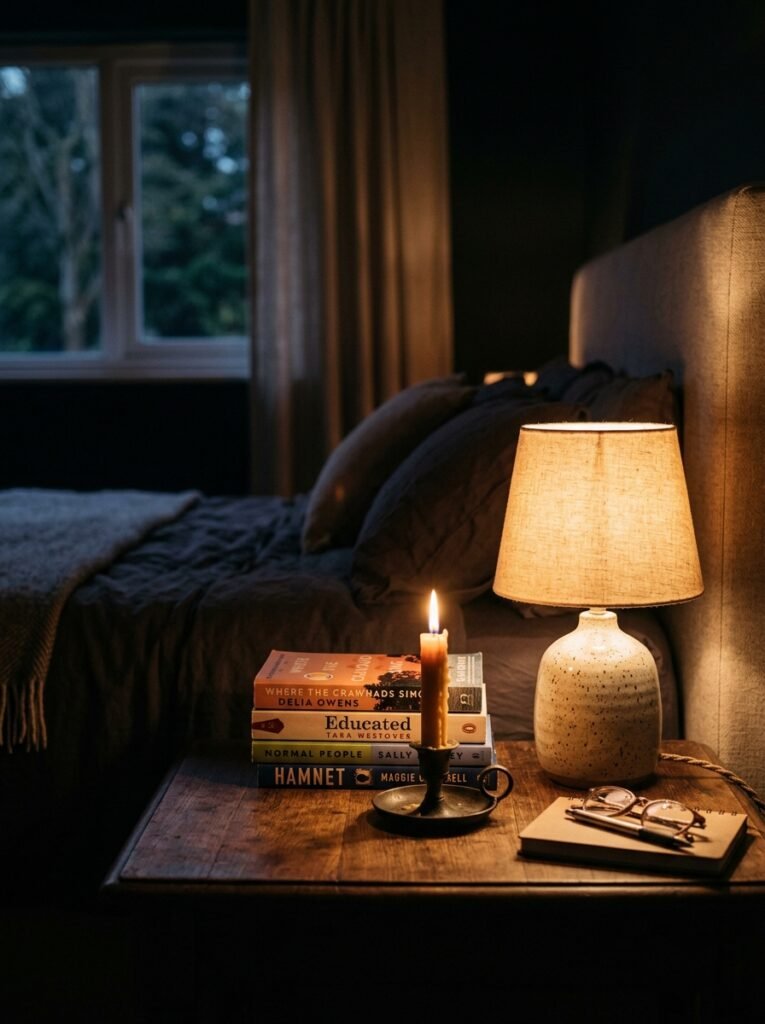
Lighting changes the mood of a bedroom faster than anything else on this list, and it usually costs the least. A single overhead bulb, especially a bright white or cool-toned one, reads as clinical no matter how nice the bedding looks underneath it.
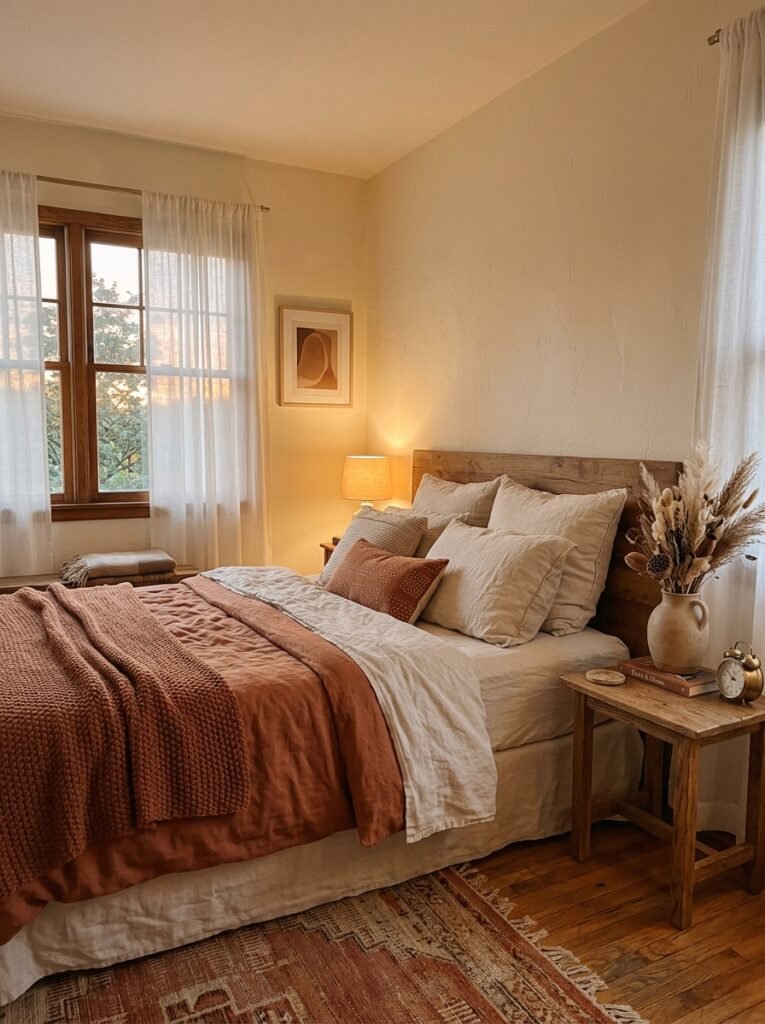
Swapping to a warm bulb, somewhere around 2,700 kelvin, softens the whole room instantly. That swap costs the price of a light bulb. Adding a second source, a bedside lamp, a plug-in wall sconce, or a small table lamp on a dresser, does more for coziness than most decor purchases, since layered light removes the flat, single-source shadow that overhead lighting creates.
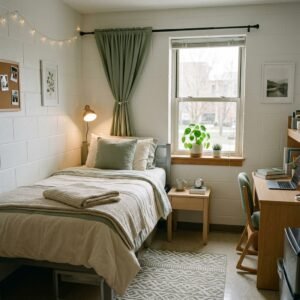
String lights get overused in budget decor advice, but a warm-white strand tucked along a headboard or a window frame, used sparingly rather than draped everywhere, adds a soft secondary glow without looking like a dorm room. A dimmer switch, if the fixture allows for one, extends the range further and costs relatively little to install.
Candles, even unlit, contribute to the effect through shape and texture on a nightstand. A cluster of two or three in varying heights reads as intentional in a way a single candle does not.
Layer Textiles Before Buying New Furniture
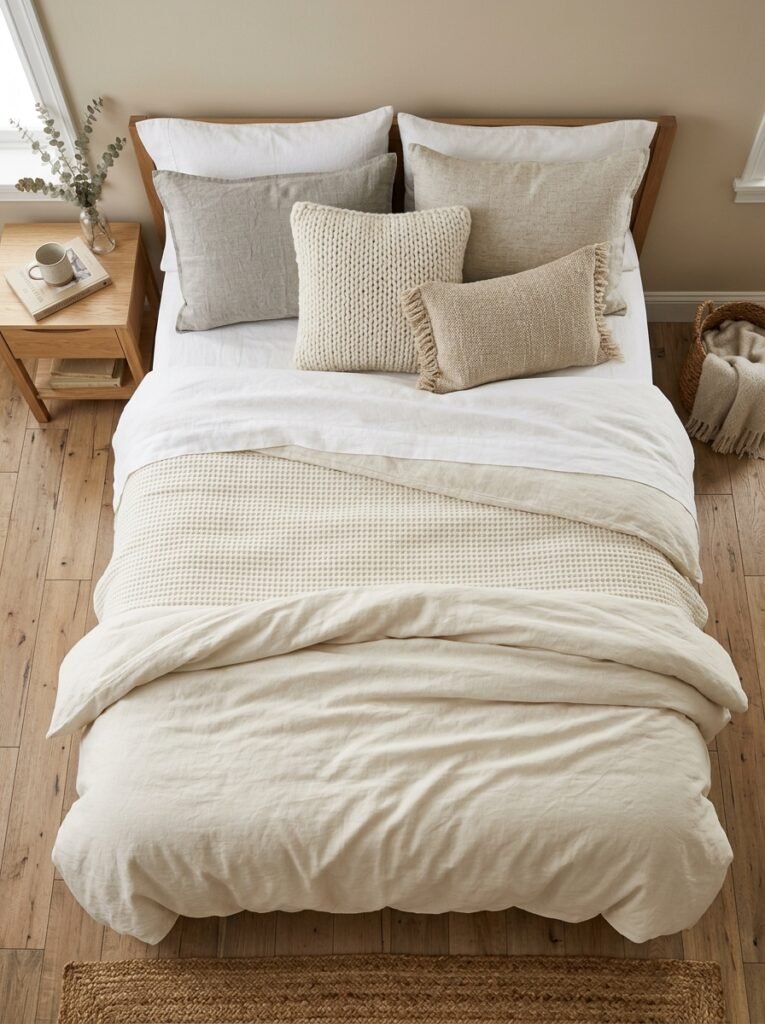
A bed with a single flat comforter looks unfinished no matter how expensive that comforter is. Layering is what separates a bare bed from a cozy one, and layering costs less than replacing the bedding entirely.
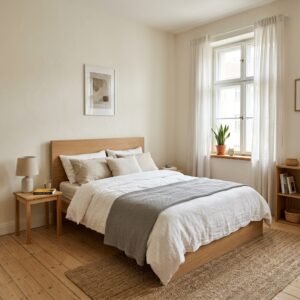
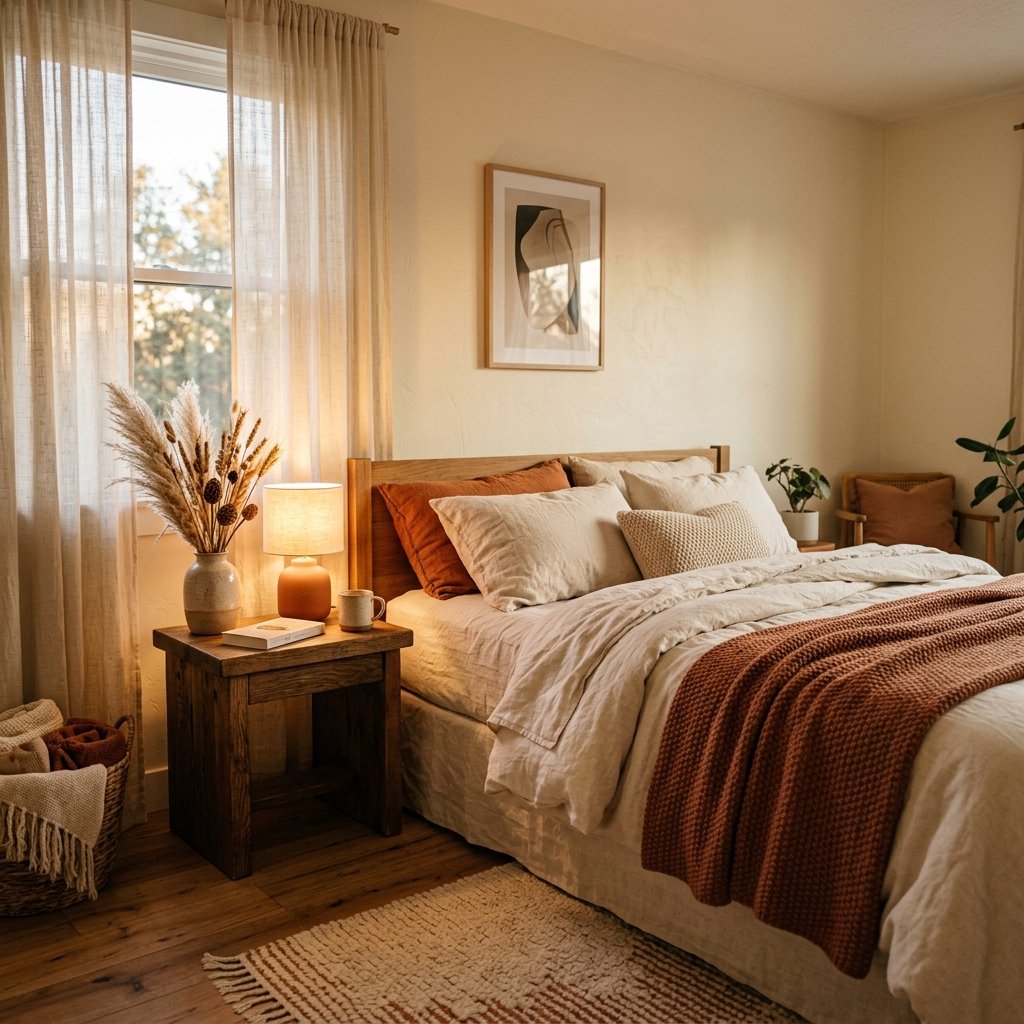
A working formula starts with a fitted sheet and flat sheet in a neutral or muted tone, then a lightweight blanket or quilt folded across the foot of the bed, then a duvet or comforter, then two to four pillows in mixed textures rather than a matching set. Knit throws, sherpa, waffle-weave cotton, and linen all read differently under the same light, and mixing two or three textures does more visually than adding more pillows of the same fabric.
Secondhand and clearance sections carry usable pieces for this kind of layering, since a throw blanket or extra pillow does not need to match the room’s existing palette exactly. A slightly mismatched but similarly toned collection often looks more collected than a bedding set bought as a single package.
Rugs work the same way on the floor. A budget option is a smaller rug placed just at the sides of the bed rather than one large rug under the entire frame, which covers less square footage and costs proportionally less while still softening the coldest part of most bedroom floors, the strip of exposed flooring next to the mattress.
Use the Walls Before Buying Big Furniture
Wall space does a lot of the work that people usually assign to furniture. A gallery of small framed prints, a single oversized piece, or even fabric pinned flat across a section of wall changes the sense of scale in a room without adding anything that takes up floor space.
Printable art, thrifted frames, and dollar-store frames spray painted a single color all produce a coordinated look for very little. Postcards, dried botanicals pressed under glass, or pages from an old book work as filler between larger pieces. The frame matters more than the print inside it for a pulled-together look, so investing slightly more in three matching frames tends to outperform three mismatched frames with better art inside them.
A mirror does double duty, adding visual interest while also bouncing available light around the room, which matters more in bedrooms with a single small window. A large secondhand mirror, even with a plain frame, contributes more to the sense of a finished room than a similarly priced piece of art.
Wallpaper is not required for a textured wall. Removable wallpaper panels applied to a single accent wall, a headboard-height section behind the bed, or even the inside of a closet door cost less than a full room and create the same layered, considered feeling that a full wallpaper job aims for.
Rethink the Headboard Before Buying One
A headboard anchors a bed visually and makes the whole layout look finished, but a store-bought upholstered headboard is one of the more expensive single items in typical bedroom decor.
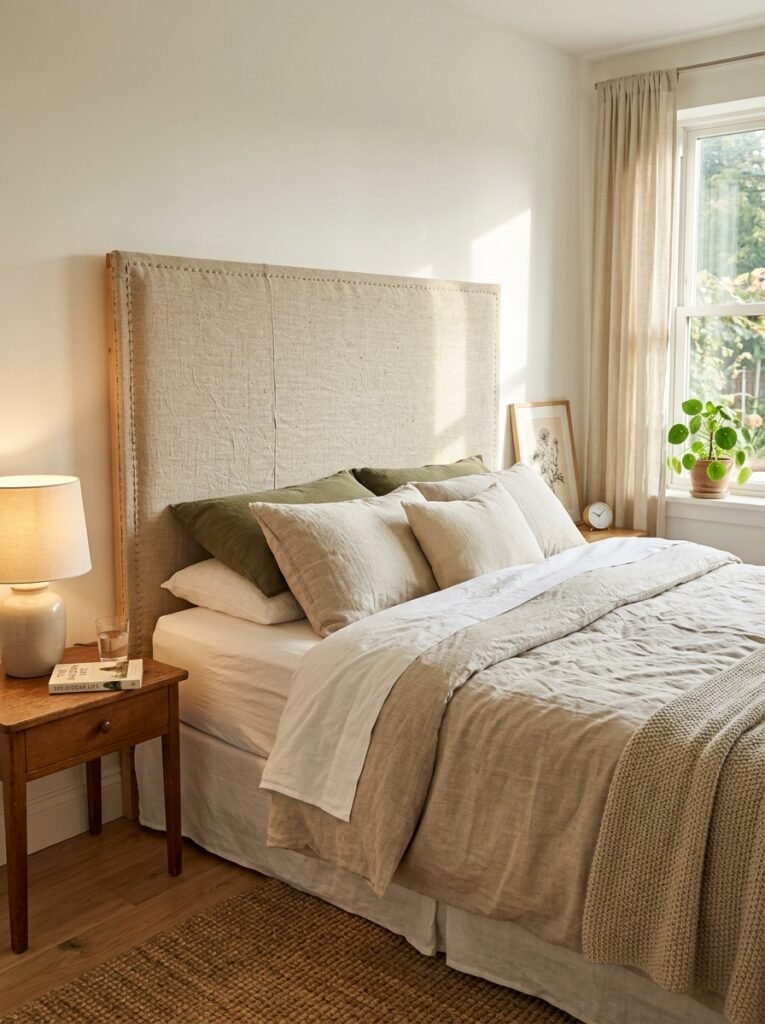
A few lower-cost substitutes accomplish something similar. A large piece of fabric, stretched over a frame built from cheap furring strips or even foam board, mounted directly to the wall, creates the shape and softness of an upholstered headboard for a fraction of the cost. Macrame or woven wall hangings positioned above the bed frame draw the eye to the same spot without needing structural support.
Leaning a large framed mirror or piece of art against the wall behind the pillows, rather than mounting anything, works in rentals where wall damage is a concern and gives the same visual anchor. Even a simple curtain rod with a length of fabric draped and pinned behind the bed reads as a headboard from a normal viewing distance.
For anyone renting, checking what is allowed before mounting anything heavier than a picture hook matters, and lease terms vary enough that it is worth a quick read rather than an assumption either way.
Scent and Sound Are Part of Coziness
Coziness is not purely visual, and a room that smells neutral or slightly stale rarely feels as warm as one photograph might suggest. A candle, a reed diffuser, or even a bowl of dried citrus and cinnamon sticks changes the sensory experience of a room for very little money.
Warm, slightly spiced or woody scents tend to read as cozier than floral or citrus-forward ones, though personal preference matters more here than any general rule. Cracking a window occasionally to reset the air before layering a scent back in keeps a small room from feeling overly perfumed.
Sound plays a smaller but real role. A small speaker for low background music or a white noise machine changes how a room feels to sit in, separate from how it looks. Neither is strictly decor, but both affect whether a bedroom feels like a place to linger or just a place to sleep.
Plants Without a Plant Budget
Live plants add warmth and softness that hard furniture cannot replicate, but a full plant collection gets expensive quickly, especially with pots factored in.
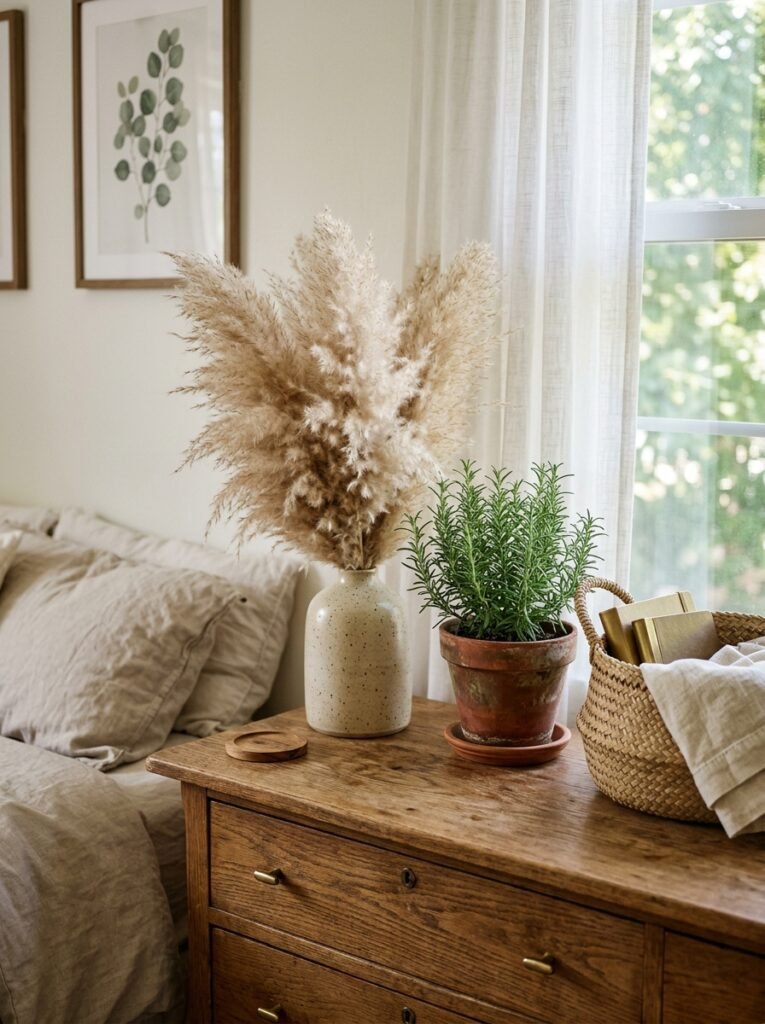
A few lower-cost approaches cover most of the visual benefit. Propagating cuttings from a friend’s existing plants costs nothing beyond a jar of water and patience. Grocery store herb plants, meant for cooking, survive fine as decor for weeks even without repotting. A single larger plant, purchased once, does more for a room than five small ones scattered around, since scale matters more than quantity for this kind of decor.
For anyone without much natural light or without the patience for upkeep, dried grasses, pampas, or preserved eucalyptus provide a similar visual softness without watering, and a bundle usually costs less than one live plant of comparable size.
Secondhand pots, painted plain terra cotta, or even repurposed jars and tins work as containers, since the plant does more visual work than the pot around it in most bedroom setups.
Reorganize Before Buying Storage
A cluttered surface undoes most of the coziness created by lighting and textiles, and new storage furniture is one of the more expensive fixes for that problem. Working with what already exists usually solves more of it than buying does.
Clearing flat surfaces down to a few intentional objects, rather than an accumulation of daily items, makes a small room read as calmer immediately. Baskets, which cost less than most furniture-based storage, corral loose items on shelves or under the bed without requiring a dresser replacement.
Under-bed storage, using flat bins or repurposed boxes, uses space that most bedrooms waste entirely. A curtain hung along the side of the bed frame hides that storage from view for less than the cost of a bed skirt.
Closet organization, even without new hardware, frees up floor space that otherwise collects clothing and bags, which does more for the sense of a settled room than most visible decor changes.
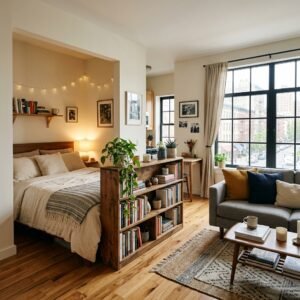
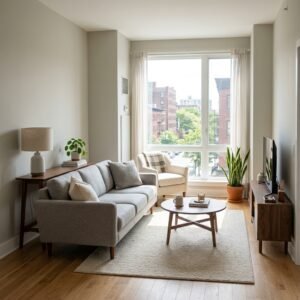
For smaller bedrooms specifically, the layout tricks that work in tight apartment living rooms translate fairly directly, since both rooms deal with the same core problem of limited square footage holding too many functions at once.
Color Without Repainting
A full repaint costs more in time and materials than most other items on this list, and it is not always possible in a rental. Color still matters for coziness, and there are ways to bring it in without touching the walls.
Removable wallpaper on a single small surface, a closet door, the back of a bookshelf, or a narrow accent strip, introduces color and pattern at a fraction of a full room’s cost. Textiles, curtains, a rug, and bedding carry most of a room’s color story without needing paint at all.
Peel-and-stick trim, applied along the base of the wall or around a doorway, adds definition and a sense of intentional design for relatively little cost and effort, and it removes cleanly for renters at the end of a lease.
Warm, muted tones, terracotta, cream, sage, and soft brown, tend to read as cozier than cool, bright tones regardless of the exact shade chosen, which is worth keeping in mind when picking textiles and small accent pieces even without repainting the walls themselves.
A Simple Order to Work In
For anyone budgeting this out gradually rather than all at once, starting with lighting produces the fastest visible change for the smallest cost. Bedding layers come next, since they touch the largest visual surface in the room. Wall decor and a headboard substitute follow, then scent, plants, and storage as the finishing layer.
That order also means an unfinished room still looks intentional at every stage, rather than looking incomplete until the final piece arrives. A bedroom with warm light and layered bedding, even with bare walls, reads as cozier than a fully decorated room lit by a single overhead bulb.
More budget-friendly ideas for other rooms are collected in the site’s home decor section, covering layouts and seasonal touches that work with the same low-cost approach.